Ten years after selling camera glasses as a playful Snapchat accessory, Snap has returned to the same place with a much bigger ambition: convincing consumers to wear a computer on their face. On September 16, 2026, the company opened preorders for SPECS, standalone augmented reality glasses priced at $2,195, with a $200 refundable deposit and shipments expected this fall in the United States, United Kingdom, and France.
The news combines three bets that have rarely appeared together in a commercial product so far: see-through displays, on-device processing, and an AI layer called SPECS Intelligence. Snap describes the service as anticipatory AI that works across iPhone, Mac, and the glasses, using user-approved context to bring information into view. The question is whether that feels like the future or just a very expensive version of the present.

Timeline
- 2016: Snap launches the first Spectacles, closer to a social camera than a computer.
- 2021-2025: AR versions remain mostly in the hands of creators and developers, away from the mass market.
- June 2026: Evan Spiegel presents SPECS as a wearable computer, not just another pair of smart glasses.
- September 16, 2026: preorders open at $2,195; Verizon announces a cellular charging-case bundle for $2,395.
- Fall 2026: Snap expects shipments to begin in the US, UK, and France, with Los Angeles demos starting October 1.
The leap is not just putting a camera on your face
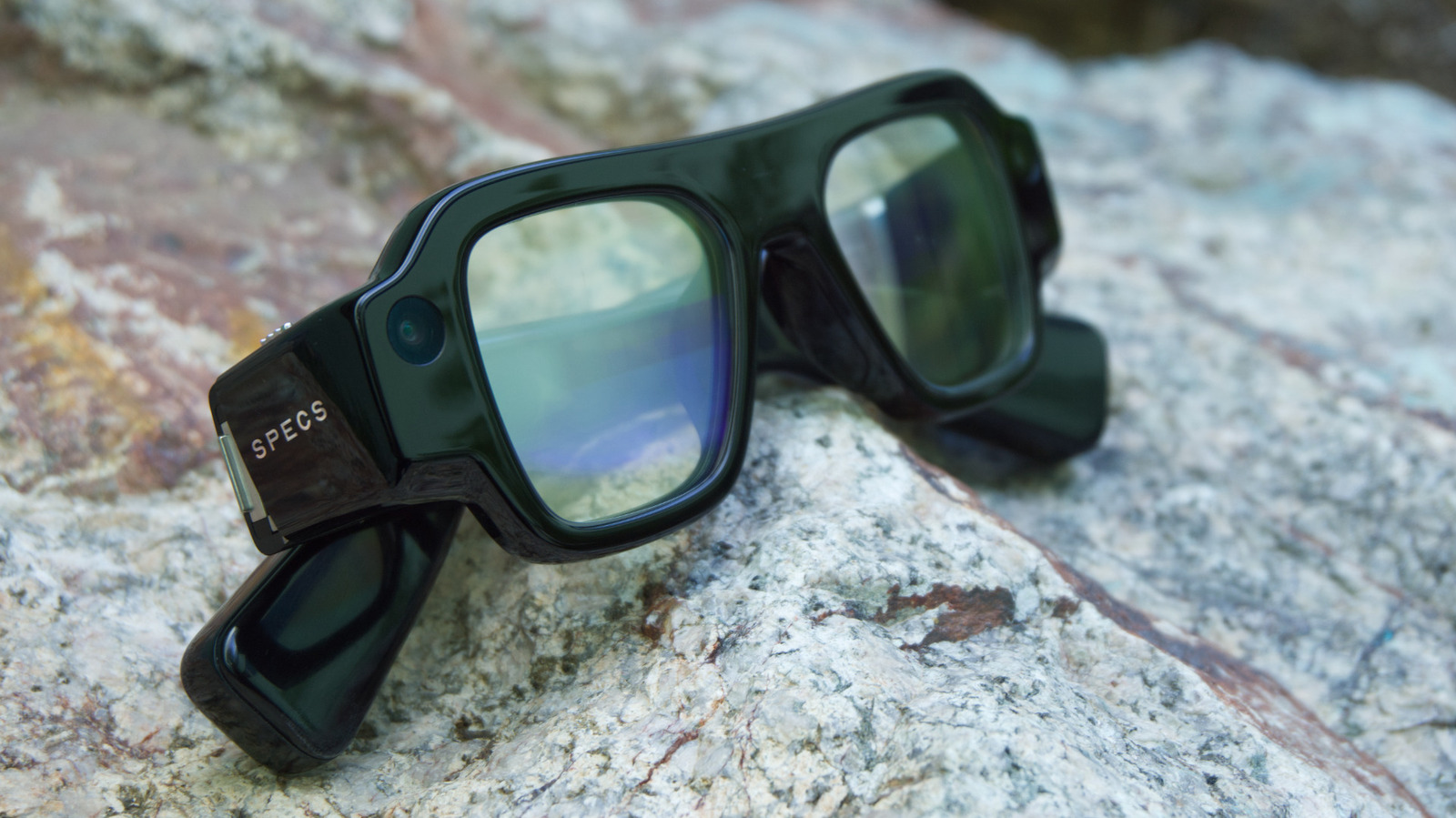
The essential difference between these SPECS and most recent AI glasses is that Snap is selling visible augmented reality, not just audio, microphones, and a camera. The Verge sums up the positioning: Snap calls them a wearable computer built into see-through AR glasses. There are two Snapdragon processors, one focused on computer vision and the other on AR Lenses, to keep hand tracking, low latency, and digital objects anchored in the real world.
That changes the promise. Audio or camera glasses try to replace quick phone gestures. SPECS try to place maps, videos, workspaces, translation, shared experiences, and apps directly in your field of view. It is closer to a headset bet, but without the physical isolation of a closed visor.

5G tries to solve the pocket dependency
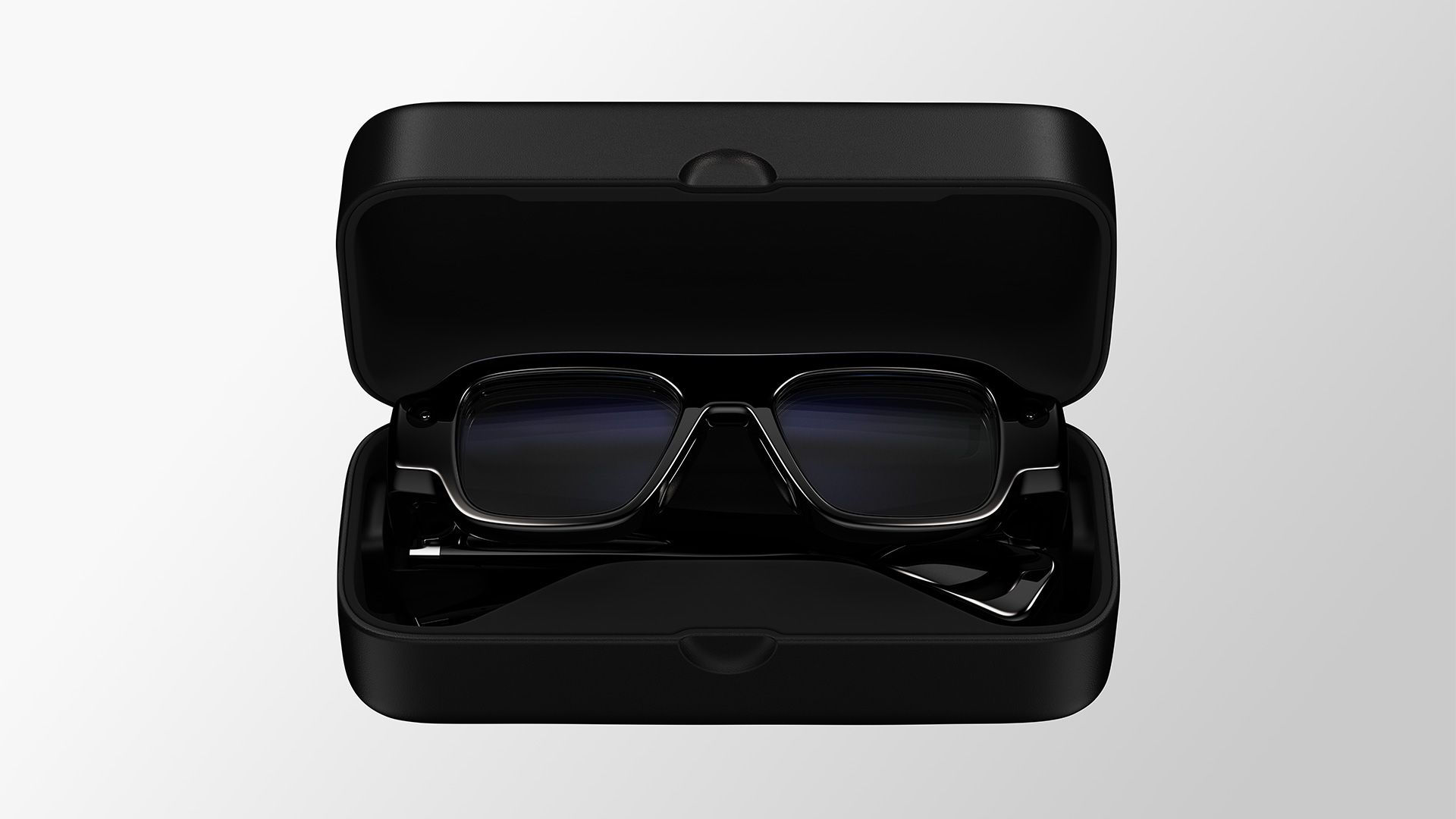
The most revealing accessory may not be on the glasses themselves. Verizon announced a charging case with 5G connectivity for SPECS, sold in a $2,395 bundle. The carrier talks about up to four hours of mixed use, several additional charges, and dedicated data plans starting at $10 per month for Verizon customers.
That detail exposes the category problem: to feel like an autonomous computer, glasses cannot always depend on a phone, Wi-Fi, or a tiny battery. By pushing some connectivity and power into the case, Snap tries to gain freedom without making the arms even bulkier. It is pragmatic engineering, but it also raises the total cost and adds another subscription to consider.
The first generation still carries the weight of the future
Early impressions do not hide the tension. Engadget praised the ambition and the maturity of the system, but pointed to size, price, and audience as major questions. The Verge was even more cautious after trying the glasses, highlighting the boldness of the vision but also the feeling that the category may be arriving too early for normal consumers.
The dilemma is familiar in first-generation hardware. If Snap waits for perfect glasses, Meta, Google, Apple, or another company may occupy the space. If it launches early, SPECS may become an enthusiast product, expensive and strange enough to push away people who only wanted a practical alternative to the phone.
Why it matters now
September 2026 is turning smart glasses into an open race. There are lightweight models focused on audio and AI, personal-display glasses, Android XR prototypes, and now an expensive, standalone, see-through commercial attempt from Snap. The value of SPECS is not only in early sales; it is in testing how much people will pay, wear, and learn to get spatial computing before it becomes invisible.
If they fail, the industry gains data about price, comfort, privacy, and daily utility. If they find a small but dedicated community, Snap may become the company that kept the consumer AR flame alive until the next generation becomes light enough. Either way, SPECS matter because they stop treating AR glasses as a stage demo. From now on, there is a price tag, a preorder queue, and real users to convince.
Comments (0)
No comments yet.