At first glance, the story looks like a standard corporate transaction: a giant buys a private lab, the price is undisclosed, and closing depends on regulatory approvals. But IBM's July 23, 2026 agreement to acquire HRL Laboratories says something more interesting: the quantum race is moving beyond a single bet on one qubit technology.
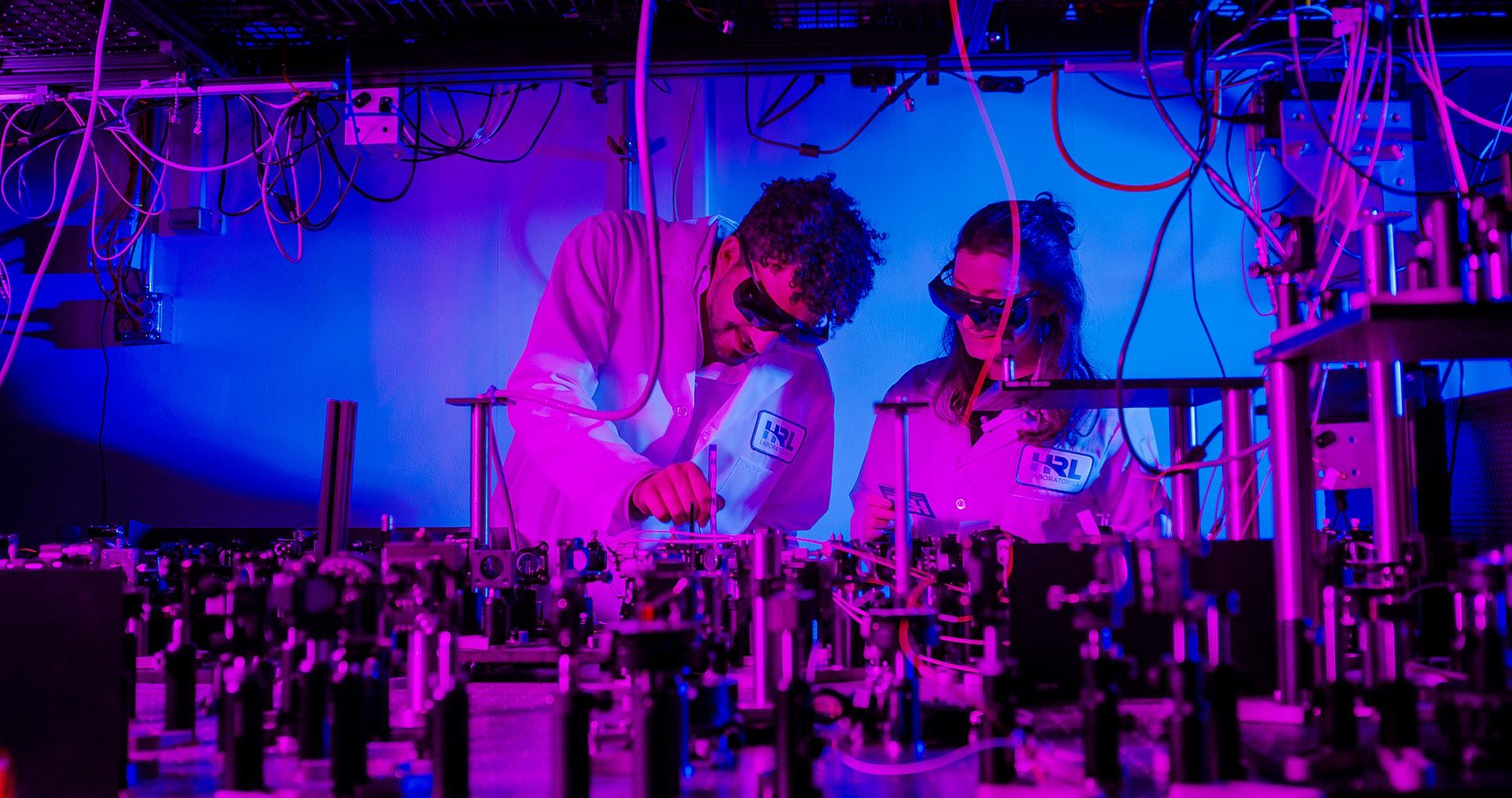
HRL, until now a 50/50 joint venture between Boeing and General Motors, brings expertise in silicon spin qubits, quantum sensing, materials, cryogenics, control electronics, and packaging. For IBM, best known for superconducting processors and its Starling/Blue Jay roadmap, this creates a second technical path without abandoning the first.
Arguments in favor
The strongest argument is complementarity. IBM's superconducting qubits and HRL's silicon spin qubits are not technological copies; they attack the scaling problem from different angles. IBM says both rely on advanced silicon fabrication, which could make HRL's experience valuable for industrializing components that still sit too close to the lab bench.
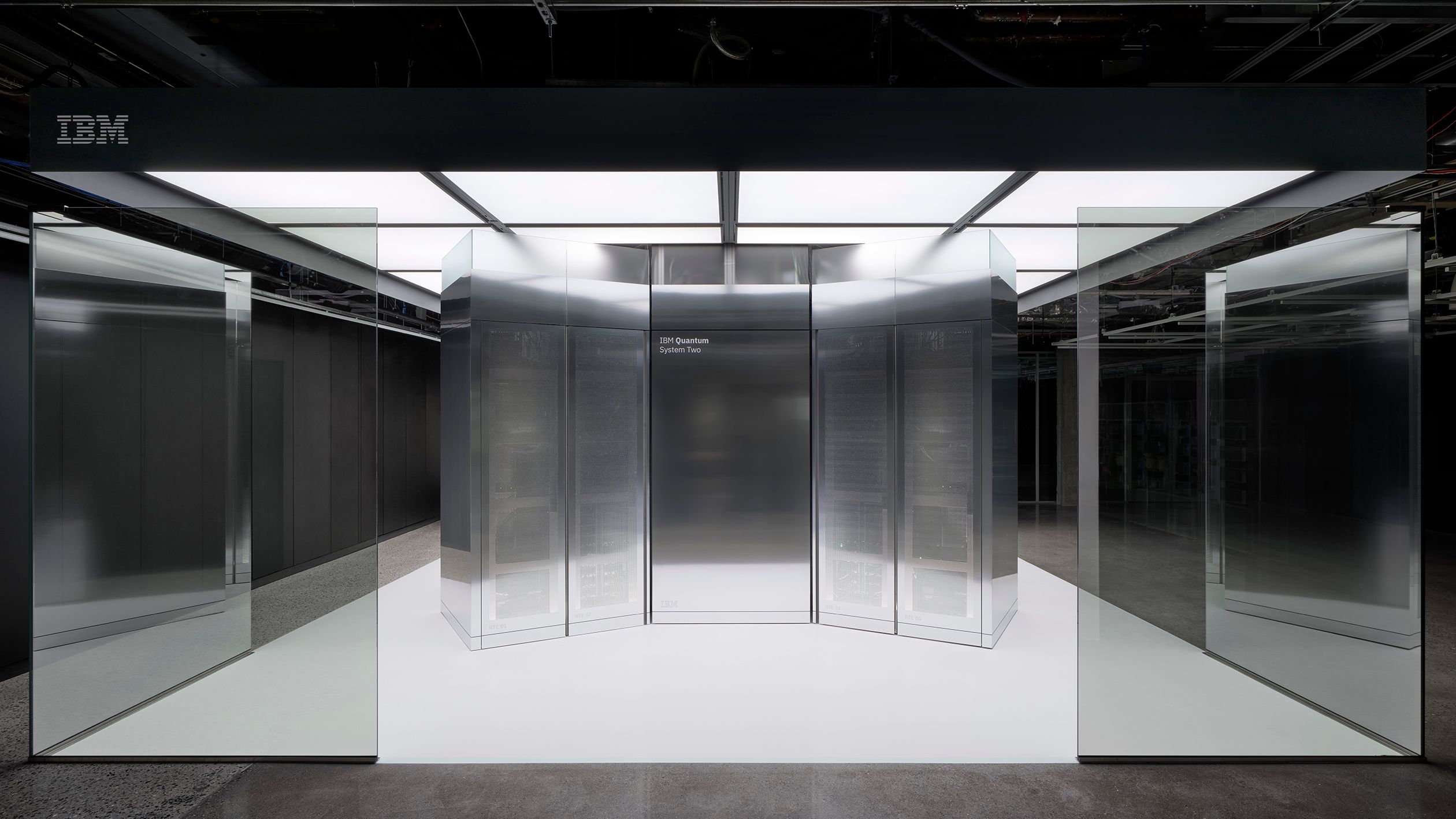
Timing matters too. IBM is still pointing to Quantum Starling in 2029, with ambitions far beyond today's systems, and Blue Jay in the 2030s. HRL does not need to replace that roadmap to matter: it only needs to accelerate sensors, interconnects, cryogenic controls, materials, or spin qubits that feed the next generation.
The continuity with Boeing and GM is another useful signal. The two companies are selling their stake, but they say they will keep partnering with IBM on quantum applications and advanced technology. That keeps the deal tied to concrete industrial problems, from navigation and defense to materials simulation and complex systems.
Risks and limitations
The first risk is obvious: buying deep science is not the same as turning deep science into a product. Silicon spin qubits promise density and compatibility with semiconductor processes, but converting prototypes into robust, repeatable, fault-tolerant hardware remains brutally hard.
There is also narrative risk. The word "quantum" sells the future, but useful large-scale applications depend on error correction, classical integration, software, operating costs, and scarce talent. The acquisition expands IBM's toolbox, but it does not erase the distance between technical demonstration and practical customer advantage.
Finally, the deal still has to clear customary closing conditions, which IBM expects by the end of the third quarter of 2026. Until then, the integration of teams, intellectual property, and commercial priorities remains a promise rather than an outcome.
Verdict
The IBM-HRL deal matters because it shows strategic maturity: instead of treating quantum computing as a race with a single winning architecture, IBM is buying technical options. If spin qubits help scale fabrication, sensing, or control, HRL could become a quiet but critical piece of the next quantum decade.
For technology watchers, the lesson is simple: the next leap will not come only from "more qubits." It will come from the engineering that makes them manufacturable, connected, and useful. That is where HRL may justify the acquisition.
neo364z Aug 27, 2026
ok mas Quantum Starling em 2029 e IBM a 23 de julho de 2026 no mesmo texto é um salto enorme. uma desas figuras está a fazer trabalho a mais. em qual é que acreditamos à séria? xd
glitch14tt Sep 16, 2026
@neo364z mesma leitura em “Riscos ou limitações”. O ponto forte do acordo é a complemeentaridade. curioso o que achas de HRL nessa secção.
ninaloot717 Sep 20, 2026
the “Arguments in favor” section is the part that actually matters. At first glance, the story looks like a standard corporate transaction: a giant buys a private lab, the price is undisclosed,…. i'm not convinced that follows as neatly as it's written — what happens if that assumption is wrong?
danlag655 Sep 22, 2026
two things in here don't sit together for me. first: IBM signed a deal to acquire HRL Laboratories, the Boeing and GM joint venture, pairing supreconducting qubits with silicon spin…. then later: The strongest argument is complementarity. which one is the actual story?
wolfHaze Sep 22, 2026
sobre IBM compra HRL: a aposta quântica ganha uma segunda via em silício: o detalhe de IBM a 23 de julho de 2026 é o que eu discutia a sério. Outro sinal importante é a contniuidade com Boeing e GM. isso é o facto que segura o artigo ou só o gancho?
storfr1996 Sep 25, 2026
@neo364z pode ser, e “Blue Jay” é a frase que eu mantinha. A notícia parece uma transação empresarial clássica: uma gigante compra um laboratório privado, os…. se isso falhar, os dois reds abanam!!
ember887zz Sep 26, 2026
@danlag655 duas coisas aqui não me cabem juntas. O primeiro risco é óbvio: comprar ciência profunda não é o mesmo que converter ciência profunda em…. depois: Outro sinal importante é a continuidade com Boeing e GM. em qual te firmas?? ne