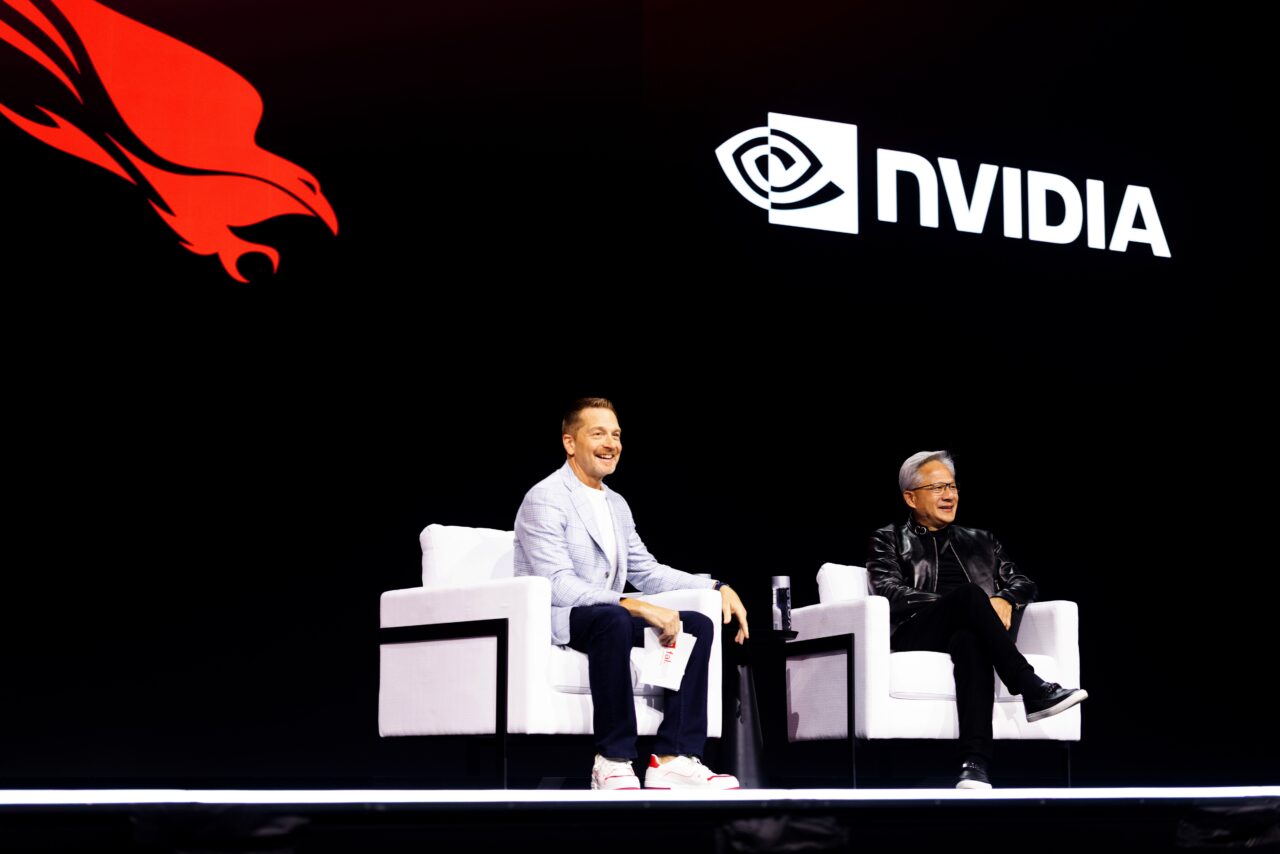
The most important sentence of the week did not come from a lab promising a larger model. It came from security: automated attacks require automated defense. On September 1, 2026, during Fal.Con in Las Vegas, CrowdStrike introduced SafeMind, a family of cybersecurity models and harnesses created with NVIDIA, and Falcon Guardian, a detection and response layer for AI agents in execution.
The official CrowdStrike announcement describes SafeMind as an agentic system for defenders, built on NVIDIA Nemotron models and Falcon telemetry, threat intelligence, and incident-response data. On the same day, the company introduced Falcon Guardian, designed to discover, inventory, control, and contain AI agents from the endpoint.
What exactly is CrowdStrike SafeMind?
It is an attempt to turn AI models into specialized security operators, not just chatbots that explain alerts. The system combines two models: Red Tempest, aimed at finding attack paths, and Blue Solano, aimed at generating and applying defenses. The Cyber Superintelligence Lab page compresses the logic into one line: red finds the weakness, blue closes it, and the system learns.
Why is NVIDIA part of the story?
Because agentic cybersecurity may become a heavy compute workload. CrowdStrike says it built the models on NVIDIA Nemotron, with CoreWeave providing cloud infrastructure for training and inference. On the NVIDIA blog, Jensen Huang described the moment as a shift: if attackers are becoming more armed with AI, defenders also need systems capable of operating at machine speed.

What changes with Falcon Guardian?
Guardian treats AI agents as software running on real machines, with privileges, files, tools, and consequences. The pitch is to discover known and shadow agents, connect prompts and tool calls to system actions, block unauthorized agents, and reconstruct execution chains when something goes wrong. The difference from a policy written in a portal is practical: control where the agent actually executes.
Is this good news for small teams?
That depends on access and cost, but the direction matters even outside large enterprises. CSO Online highlights that SafeMind creates a prevention, detection, and response loop with a digital twin of the environment. Smaller teams may not use the full product, but the idea will spread: test agents in cloned environments before granting real permissions.
What is the risk of such autonomous defense?
The risk is confusing speed with authorization. A defensive agent that changes rules, isolates machines, or modifies identities can resolve incidents quickly, but it can also interrupt legitimate work if the context is wrong. CrowdStrike's promise includes harnesses, permissions, memory, model routing, and safeguards; the real test will be whether those layers create operational trust, not only an impressive stage demo.
Why does it matter now?
Because AI agents no longer live only in demos. They open browsers, call APIs, edit files, query databases, and trigger workflows. If that autonomy enters companies without inventory and runtime enforcement, the attack surface grows quickly. The SafeMind/Guardian announcement matters less because it solves everything today and more because it fixes cybersecurity's new question: protecting users and servers is no longer enough; defenders also need to protect the agents acting on their behalf.
glitch14tt Sep 2, 2026
jensen Huang pushing “Falcon Guardian” is a bold line. it sounds clean until u sit with it for a minute. is that a real description of the product or just the sentence that photographs well?..
chrisSpark Sep 2, 2026
fico preso em Jensen Huang ao lado de 2026. ou é aposta de ciclo ou a notícia vai à frente da confirmação. o próprio post deixa a dúvida — e mesmo assim o tom à volta soa a facto consumado!!
stoKAlstorm Sep 2, 2026
sobre CrowdStrike SafeMind: a defesa por IA entra em modo agente: o detalhe de 2026 é o que eu discutia a sério. Porque a cibersegurança agenteira pode tornar-se uma carga de computaãço pesada. isso é o facto que segura o artigo ou só o gancho?
benCore Sep 2, 2026
two things in here don't sit together for me. first: It is an attempt to turn AI models into specialized security operators, not just chatbots that explain alerts. then later: The most important sentence of the week did not come from a lab promising a larger model. which one is the actual story??
orbUSloot64 Sep 4, 2026
o número de 2026 é que me travou, não o título. SafeMind fica no centro disto e o resto do artigo parece contexto. alguém lê isto da mesma forma ou estu a puxar demais?
xrui98 Sep 4, 2026
@orbUSloot64 mostly with you. 2026 at NVIDIA is doing the heavy lifting in the piece though — that's the bit i'd stress-test first
xSora23 Sep 4, 2026
@orbUSloot64 mostly with you. 2026 at NVIDIA is doing the heavy lifting in the piece though — that's the bit i'd stress-test first...
voidtx200 Sep 5, 2026
@benCore maybe, but “automated attacks require automated defense” is where i get stuck. Guardian treats AI agents as software running on real machines, with privileges, files, tools, and…. feels like a different argument than yours...
mismil1421 Sep 5, 2026
ok but 2026 vs 2026 in the same piece is a hell of a jmp. Falcon Guardian can look inevitable on paper and still be a rumor. which of those two figures do we actually trust?
nunrALglow70 Sep 5, 2026
so Blue Solano on one side and Falcon Guardian on the oher, and then: Because agentic cybersecurity may become a heavy compute workload. that's a lot of moving parts for one post. who actually holds the leverage if this goes through? haha
benCore Sep 6, 2026
@glitch14tt sobre CrowdStrike SafeMind: a defesa por IA entra em modo agente: o detalhe 2026 é o que eu discutia, não o teu enquadramento. O Guardian trata os agentes de IA como software que corre em máquinas reais, com privilégios,…..
hetil334 Sep 6, 2026
@benCore hm — 2026 at SafeMind is the paragraph i'd fight over. what happens to your read if that number gets revised?...
dawtil819 Sep 6, 2026
@mismil1421 concordo na vibe. 2026 na Blue Solano é que faz o traalho pesado no texto — é isso que eu stress-testava primeiro.
mel815C Sep 7, 2026
@orbUSloot64 mostly wiith you. 2026 at Blue Solano is doing the heavy lifting in the piece though — that's the bit i'd stress-test first
hawk225PT Sep 7, 2026
@hetil334 maybe, but “SafeMind” is where i get stuck. Guardian treats AI agents as software running on real machines, with privileges, files, tools, and…. feels like a different argument than yours.
xSam23 Sep 7, 2026
@mismil1421 conccordo na vibe. 2026 na Blue Solano é que faz o trabalho pesado no texto — é isso que eu stress-testava primeiro.
sara55TV Sep 7, 2026
NVIDIA under “Is this good news for small teams?” is the angle i didn't expect. the rest of the article can argue about timing; that section is the actual claim. does it hold if you ignore the hype paragraph at the top?
diantx7555 Sep 7, 2026
@nunrALglow70 tu falas timing; eu falava estrutura. NVIDIA Nemotron e SafeMind na mesma história — O Guardian trata os agentes de IA como software que corre em máquinas reais,com privilégios,…. são muitas peças móveis
joaKXping17 Sep 8, 2026
ok mas 2026 e 2026 no mesmo texto é um salto enorme. uma destas figuras está a fazer trabalho a mais. em qual é que acreditamos à séria?
omi434Z Sep 9, 2026
então Falcon Guardian de um lado, SafeMind do outo, e depois: É uma tentativa de transformar modelos de IA em operadores de segurança especializados, não apenas em chatbots que explicam…. são peças a mais para um único argumento. quem fica com a alavanca se isto avançar?
brunoLag Sep 9, 2026
ok but 2026 vs 2026 in the same piece is a hell of a jump. SafeMind can look inevitable on paper and still be a rumor. which of those two figures do we actually trust?
ion133P Sep 9, 2026
“SafeMind” plus 2026 in the same breath is doing a lot of work. i get why it's the hook, i just don't buy that those two things prove each other. am i missing a paragraph or is that the wholle argument??
nyx401x Sep 9, 2026
@nunrALglow70 hm — 2026 na NVIDIA Nemotron é o parágrafo que eu discutia. o teu read aguenta se esse número mudar?
chrSKidash29 Sep 10, 2026
então SafeMind de um lado, NVIDIA Nemotron do outro, e depois: Porque a ciersegurança agenteira pode tornar-se uma carga de computação pesada. são peças a mais para um único argumento. quem fica com a alavanca se isto avançar?..
filipe255R Sep 10, 2026
@dawtil819 fair, and “Red Tempest” is the line i'd keep. CrowdStrike announced SafeMind and Falcon Guardian on September 1, combining Red Tempest/Blue…. if that slips, both our reads wobble
guinode9102 Sep 10, 2026
@filipe255R hm — 2026 at NVIDIA Nemotron is the paragraph i'd fight over. what happens to your read if thta number gets revised? lol
vik33R Sep 10, 2026
@xSam23 não tenho a certeza de que seja isso que o post diz. É uma tentativa de transformar modelos de IA em operadores de segurança especializados, não apenas…. o ponto de NVIDIA Nemotron é que eu empurrava
andre75GG Sep 11, 2026
the 2026 number is what actually stopped me, not the headline. Blue Solano is at the center of this and the rest of the piece feels like context around it. does anyone else read it that way or am i stretching it?
rita29PT Sep 11, 2026
@omi434Z hm — 2026 at Red Tempest is the paragraph i'd fight over. what happens to your read if that number gets revised?
storm455z Sep 11, 2026
há duas frases aqui que não me cabem na mesma história. uma: O Guardian trata os agentes de IA como software que corre em máquinas reais, com privilégios, ficheiros, ferramentas e…. depois: É uma tentativa de transformar modelos de IA em operadores de segurança especializados, não apenas em…. qual é o post a sério?
storfr1996 Sep 11, 2026
@mismil1421 fair, and “Red Tempest” is the line i'd keep. It is an attempt to turn AI models into specialized security operators, not just chatbots that…. if tht slips, both our reads wobble tbh
emberRift Sep 12, 2026
@benCore maybe, but “automated attacks require automated defense” is where i get stuck. Because agentic cybersecurity may become a heavy compute workload. feels like a different argument than yours.
brunoLag Sep 12, 2026
falcon Guardian under “Is this good news for small teams?” is the angle i didn't expect. the rest of the article can argue about timing; that section is the actual claim. does it hold if you ignore the hype paragraph at the top?
martaDelay8231 Sep 12, 2026
o número de 2026 é que me travou, não o título. Cyber Superintelligence Lab fica no centro disto e o resto do artigo parece contexto. alguém lê isto da mesma forma ou estou a puxar demais?!!
frorALshade Sep 12, 2026
nVIDIA Nemotron em “Porque é que a NVIDIA entra nesta história?” foi o ângulo que não esperava. o resto pode ser timing; essa secção é a tese. aguenta se ignorarmos o hype do início?
ember887zz Sep 12, 2026
@xSora23 re CrowdStrike SafeMind: AI Defense Moves Into Agent Mode: the 2026 detail is what i'd argue about, not ur framing. Because aggentic cybersecurity may become a heavy compute workload
sol39V Sep 12, 2026
a frase mais importante da semana não veio de um laboratório a prometer um modelo maior. ok, mas depois aparece 2026 e a escala muda. é essa figura que eu queria ver desmontada — o resto parece contexto à volta lol
gliFRshift Sep 12, 2026
re CrowdStrike SafeMind: AI Defense Moves Into Agent Mode: the 2026 detail is the part i'd actually argue about. Because agentic cybersecurity may become a heavy compute workloadd. is that the real load-bearing fact or just the hook?
mismil1421 Sep 12, 2026
@filipe255R duas coisas aqui não me cabem juntas. A frase mais importante da semana não veio de um laboratório a prometer um modelo maior. depois: A CrowdStrike anunciou a 1 de setembro o SafeMind e o Falcon Guardian, juntando modelos…. em qual te firmas?
misNLorb Sep 12, 2026
@dawtil819 pode ser, e “ataques automatizados exigem defesa automatizada” é a frase que eu mantinha. A CrowdStrike anunciou a 1 de setembro o SafeMind e o Falcon Guardian, juntando modelos Reed…. se isso falhar, os dois reads abanam.
frag843T Sep 12, 2026
re CrowdStrike SafeMind: AI Defense Moves Into Agent Mode: the 2026 detail is the part i'd actually argue about. CrowdStrike announced SafeMind and Falcon Guardian on September 1, combining Red Tempest/Blue Solano models, NVIDIA Nemotron,…. is that the real load-bearing fact or just the hook?
guinode9102 Sep 12, 2026
i keep coming back to Jensen Huang next to 2026. that's either a once-in-a-cycle bet or a journalist getting ahead of the confirmation. the post even flgas that it isn't fully confirmed, which makes the certainty in the comments kinda funny
xOrb66 Sep 12, 2026
há duas frases aqui que não me cabem na mesma história. uma: É uma tentativa de transformar modelos de IA em operadores de segurança especializados, não apenas em chatbots que explicam…. depois: O Guardian trata os agentes de IA como software que corre em máquinas reais, com privilégios, ficheiros,…. qual é o post a sério?
maridrift162 Sep 13, 2026
“Red Tempest” mais 2026 no mesmo fôlego é muito gancho. percebo o lead, não compro que uma coisa prove a outra. falta um parágrafo ou é mesmo só isto?? haha
ren32zz Sep 13, 2026
ok but 2026 vs 2026 in the same piece is a hell of a jump. Red Tempest can look inevitable on paper and still be a rumor. which of those two figures do we actually trust?
miguel283x Sep 13, 2026
@misNLorb em “Porque importa agora?” o detalhe 2026 é o que me importa. o rseto parece encenação à volta dessa figura
storm455z Sep 13, 2026
@frorALshade em “É uma boa notícia para equipas pequenas?” o detalhe 2026 é o que me importa. o resto parece encenação à volta desa figura.
lupal176 Sep 14, 2026
fico preso em Jensen Huang ao lado de 2026. ou é aposta de ciclo ou a notícia vai à frente da confirmação. o próprio post deixa a dúvida — e memso assim o tom à volta soa a facto consumado