The question looked almost contained: when the James Webb Space Telescope found large, mature galaxies in the young universe, astronomers had to explain how they grew so quickly. Now a study published on August 18, 2026 in Nature Astronomy makes the problem more interesting, and perhaps harder. Some of those galaxies may not only be mature early; they may be more massive than we thought.
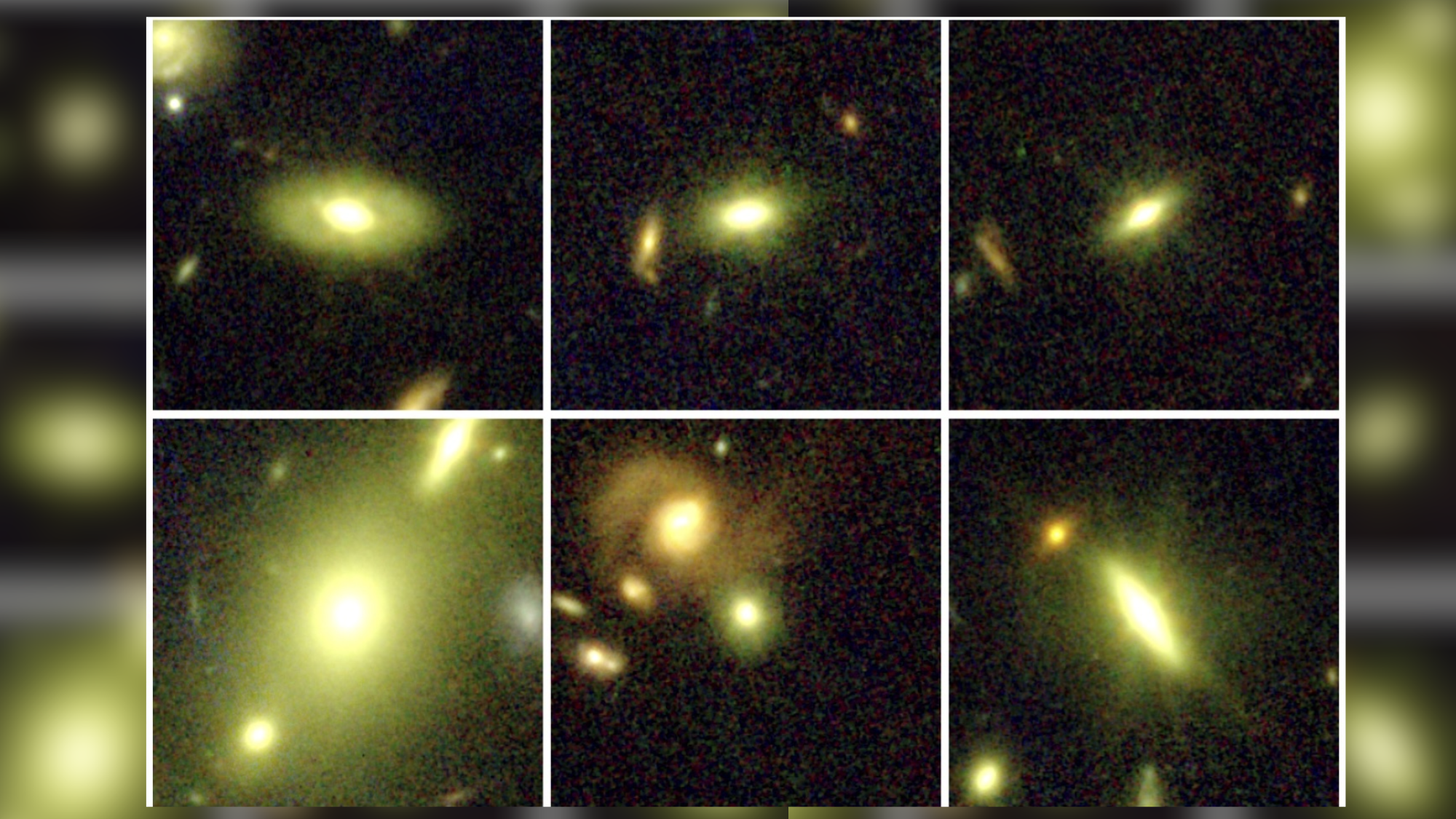
The team, led by researchers at Leiden University, analyzed nine ancient quiescent galaxies by combining ultra-deep JWST spectra with earlier data from the Very Large Telescope. The result, highlighted by Phys.org, Leiden University, and Space.com, points to an unexpectedly large population of small, faint stars that are difficult to see.
What people are saying
The dramatic reading is that Webb has "broken" cosmology again. It is tempting because it fits the story of the past few years: the telescope observes galaxies that seem too large, too early, and each new paper appears to increase the tension with galaxy-formation models. If a galaxy that already looked heavy may actually contain up to four times more stellar mass, the headline almost writes itself.
But that short version hides the important detail. The study does not say the Big Bang is wrong, and it does not collapse every mass measured by JWST. What it questions is a tool astronomers have used for decades: the initial mass function, or IMF, which describes the proportions in which small, medium, and massive stars are born. Many estimates assume that this mix resembles the Milky Way. The new analysis suggests that, in very massive ancient galaxies, the recipe may have been different.
What the data says
The key is light split into a spectrum. Large, bright stars dominate the appearance of a distant galaxy, like skyscrapers seen from far away in a city. Small stars are the houses between the towers: individually easy to miss, but capable of adding up to much of the mass. Chloe Cheng, the paper's first author, uses exactly that comparison in Leiden's release: the models reveal many "houses" hidden between the "skyscrapers".
According to the scientific abstract, the team studied quiescent galaxies around redshift 0.7 through the JWST-IMFERNO program and extended the reading with spectra from the VLT LEGA-C survey. By measuring features sensitive to low-mass stars, the researchers found more bottom-heavy IMFs in the most massive galaxies. In plain language: there are more small stars than a Milky Way-based extrapolation would predict.
The strongest case is also the most provocative. One galaxy in the sample formed most of its stars less than 1.5 billion years after the Big Bang and may be about four times more massive than previous estimates suggested. That does not erase current models at once; it increases the pressure on them. If descendants of the "impossibly early" galaxies hide this much mass in small stars, their ancestors may also have been heavier.

The cautious reality
The healthy thing about this discovery is that it does not live on a pretty picture. It lives on spectra, stellar-population models, and an uncomfortable question: when we look at an ancient galaxy, are we counting light or are we counting mass? The two are not identical when many stars are small, cool, and discreet.
The consequence may reach beyond galaxy formation. Small stars live for a very long time and often host planets. Mariska Kriek, who led the research, notes that more mass hidden in those stars may also imply more planets formed early than previously assumed. That remains speculative, but it changes the imagination: the young universe may not only have been denser in massive galaxies; it may also have contained more small, persistent environments than we thought.
For now, the fairest reading is this: Webb has not ended cosmology, but it has taken one comfortable assumption off autopilot. If the mix of stars varies with mass and formation epoch, many calculations about the ancient universe will need to become more careful. And that is science at its best: not a final answer, but a new ruler for measuring what once looked invisible.
chbr702 Sep 9, 2026 3:41 PM
two things in here don't sit together for me. first: The question looked almst contained: when the James Webb Space Telescope found large,mature galaxies in the young universe,…. then later: But that short version hides the important detail. which one is the actual story?
andITdusk Sep 3, 2026 8:09 AM
@kira250TV under “The cautious reality” the 1.5 billion detail is what actually matters to me. rest reads like setup around that one figure
neo364z Sep 2, 2026 6:50 PM
the “What people are saying” section is the part that actually matters. The dramatic reading is that Webb has "broken" cosmology again. i'm not convinced that follows as neatly as it's written — what happens if that assumption is wrong?
xHugo76 Sep 2, 2026 4:56 PM
“initial mass function” plus August 18, 2026 in the same breath is doing a lot of work. i get why it's the hook, i just don't buy that those two thngs prove each other. am i missing a paragraph or is that the whole argument?
hugonl410 Sep 2, 2026 2:12 PM
@leo976G yeah, same lane — The dramatic reading is that Webb has "broken" cosmology again. i'd still watch Very Large Telescope before calling it settled though tbh
miguel283x Sep 2, 2026 8:06 AM
então IMF de um lado, Very Large Telescope do outro, e depois: O truque está na luz dividida em espectro. são peças a mais para um único argumento. quem fica com a alavanca se isto avançar?
hugo171M Sep 2, 2026 8:03 AM
sobre JWST encontrou estrelas escondidas nas galáxias antigas: o deetalhe de 18 de agosto de 2026 é o que eu discutia a sério. Um estudo publicado a 18 de agosto em Nature Astronomy combina JWST e VLT para mostrar que algumas galáxias antigas podem…. isso é o facto que segura o artigo ou só o gancho?
fox9957X Sep 1, 2026 10:29 PM
@telzx4993 re JWST Found Hidden Stars Inside Ancient Galaxies: the 1.5 billion detail is what i'd argue about, not ur framing. The team, led by researchers at Leiden University, analyzed nine ancient quiescent galaxies by…
wolfHaze Sep 1, 2026 9:11 PM
@shaPXcrit tu falas timing; eu falava estrutura. JWST e VLT na mesma história — A leitura mais dramática é dizer que o Webb voltou a "partir" a cosmologia. são muitas peças móveis
vik33R Sep 1, 2026 6:38 PM
@leo976G alinhados no tom. Nature Astronomy vs IMFERNO no mesmo post ainda me parece estranho — em quem cofnias mais?
haze92x Sep 1, 2026 6:37 PM
@xPyr69 not sure that's what the piece is saying. A Nature Astronomy study published on August 18 combines JWST and VLT data to show that some…. the James Webb Space Telescope bit is what i'd actually push on
danski110 Sep 1, 2026 5:12 PM
@andITdusk maybe, but “Very Large Telescope” is where i get stuck. The dramatic reading is that Webb has "broken" cosmology again. feels like a different argument than yours.
omi434Z Sep 1, 2026 4:19 PM
two things in here don't sit together for me. first: The team, led by researchers at Leiden University, analyzed nine ancient quiescent galaxies by combining ultra-deep JWST spectra…. then later: The question lookeed almost contained: when the James Webb Space Telescope found large, mature galaxies in…. which one is the actual story? haha
xHaze17 Sep 1, 2026 3:26 PM
@hawk30V hm — 1.5 billion at JWST Found Hidden Stars is the paragraph i'd fight over. what happens to your read if that number gets reviseed?
xPyr69 Sep 1, 2026 2:20 PM
@solGlow re JWST Found Hidden Stars Inside Ancient Galaxies: the 1.5 billion detail is what i'd argue about, not your framing. The dramatic reading is that Webb has "broken" cosmology again
bytZXlink Sep 1, 2026 9:27 AM
ok but 1.5 billion vs August 18, 2026 in the same piece is a hell of a jump. IMF can look inevitable on paper and still be a rumor. which of those two figures do we actually trust? lol
glitch457Q Sep 1, 2026 8:36 AM
the “The cautious reality” section is the part that actually matters. The dramatic reading is that Webb has "broken" cosmology again. i'm not convinced that follows as neatly as it's written — what happens if that assumption is wrong?
nyx50x Aug 31, 2026 10:55 PM
@catarina544N different angle — The team, led by researchers at Leiden University, analyzed nine ancient quiescent galaxies by…. i'd argue with JWST Found Hidden Stars befoore the take you're making.
penx514 Aug 31, 2026 10:03 PM
@xYuki87 fair, and “initial mass function” is the line i'd keep. A Nature Astronomy study published on August 18 combines JWST and VLT data to show that some…. if that slips, both our reads wobble
sora994GG Aug 31, 2026 6:54 PM
@loottx853 pode ser, e “função inicial de massa” é a frase que eu mantinha. Mas essa versão curtta esconde o detalhe mais importante. se isso falhar, os dois reads abanam.
anarALflare Aug 31, 2026 9:26 AM
jWST em “A realidade cautelosa” foi o ângulo que não esperava. o resto pode ser timing; essa secção é a tese. aguenta se ignorarmos o hype do início?
xrui48 Aug 31, 2026 8:06 AM
@raid98z not sure that's what the piece is saying. The dramatic reading is that Webb has "broken" cosmology again. the Nature Astronomy bit is what i'd actually push on.
lucia22TV Aug 31, 2026 8:03 AM
@leo976G mostly with u. August 18, 2026 at IMF is doing the heavy lifting in the piece though — that's the bit i'd stress-test first.
xHaze17 Aug 30, 2026 8:42 PM
@kira250TV em “A realidade cautelosa” o detalhe 18 de agosto de 2026 é o que me importa. o retso parece encenação à volta dessa figura.
vevx322 Aug 30, 2026 7:53 PM
Very Large Telescope em “A realidade cautelosa” foi o ângulo que não esperava. o resto pode ser timing; essa secção é a tese. aguenta se ignorarmos o hype do início?
loottx853 Aug 30, 2026 6:45 PM
@ken675k you're arguing timing; i'd argue structure. James Webb Space Telescope and JWST Found Hidden Stars in the same story — But thta short version hides the important detail. that's a lot of moving parts
xYuki87 Aug 30, 2026 12:56 PM
@neokx860 same read on “The cautious reality”. The team,led by researchers at Leiden University, analyzed nine ancient quiescent galaxies by…. curious whta you make of VLT in that section
solGlow Aug 29, 2026 3:10 PM
@raid98z maybe, but “initial mass function” is where i get stuck. But that short version hides the important detail. feels like a different argument than yours.
neokx860 Aug 29, 2026 1:10 PM
o número de 18 de agosto de 2026 é que me traou, não o título. JWST fica no centro disto e o resto do artigo parece contexto. alguém lê isto da mesma forma ou estou a puxar demais?
leo976G Aug 29, 2026 8:11 AM
ok but August 18, 2026 vs 1.5 billion in the same piece is a hell of a jump. VLT can look inevitable on paper and still be a rumor. which of those two figures do we actualy trust?
sol39V Aug 28, 2026 6:18 PM
ok mas 1,5 mil milhões e 18 de agosto de 2026 no mesmo texto é um salto enorme. uma destas figuras está a fazer traalho a mais. em qual é que acreditamos à séria?
ken675k Aug 28, 2026 4:07 PM
sobre JWST encontrou estrelas escondidas nas galáxias antigas: o detalhe de 18 de agosto de 2026 é o que eu discutia a sério. A leitura mais dramática é dizer que o Webb voltou a "partir" a cosmologia. isso é o facto que segura o artigo ou só o gancho?
andITdusk Aug 27, 2026 8:59 PM
sobre JWST encontrou estrelas escondidas nas galáxias antigas: o detalhe de 1,5 mil milhões é o que eu discutia a sério. A pergunta parecia quase fechada: quando o James Webb Space Telescope encontrou galáxias grandes e maduras no Universo jovem,…. isso é o facto que segura o artigo ou só o gancho?
catarina544N Aug 27, 2026 7:57 PM
@haze2570M talvez, mas “James Webb Space Telescope” é a frase em que eu travo. O truque está na luz dividida em espectro. parece-me outro argumento que o teu.
hawk30V Aug 27, 2026 6:51 PM
james Webb Space Telescope under “The cautious reality” is the angle i didn't expect. the rest of the article can argue about timing; that section is the actual claim. does it hold if you ignore the hype paragraph at the top?!!
hawkCore417 Aug 27, 2026 5:37 PM
ok but 1.5 billion vs August 18, 2026 in the same piece is a hell of a jump. IMF can look inevitable on paper and still be a rumor. which of those two figures do we actually trust?
shaPXcrit Aug 26, 2026 8:59 PM
@nox2983xx hm — 1.5 billion at Very Large Telescope is the paragraph i'd fight over. what happens to your read if that number gets revised?
raid98z Aug 26, 2026 5:03 PM
@telzx4993 talvez, mas “Very Large Telescope” é a frase em que eu travo. A leitura mais dramática é dizer que o Webb voltou a "partir" a cosmologia. parece-me outro argumento que o teu.
lara89B Aug 26, 2026 1:57 PM
jWST Found Hidden Stars under “What people are saying” is the angle i didn't expect. the rest of the article can argue about timing; that section is the actual claim. does it hold if u ignore the hype paragraph at the top?
kira250TV Aug 26, 2026 1:31 PM
@telzx4993 tu falas timing; eu falava estrutura. Nature Astronomy e Very Large Telescope na mesma história — Um estudo publicado a 18 de agosto em Nature Astronomy combina JWST e VLT para mostrar que algumas…. são muitas peças móveis.
nuno964H Aug 26, 2026 1:03 AM
“Very Large Telescope” mais 1,5 mil milhões no mesmo fôlego é muito gancho. percebo o lead, não compro que uma coisa prove a outra. falta um parágrafo ou é mesmo só isto?
filipe7312N Aug 25, 2026 6:39 PM
@Teresa talvez, mas “Very Large Telescope” é a frase em que eu travo. O truque está na luz dividida em espectro. parece-me outro argumento que o teu.
kira250TV Aug 25, 2026 6:25 PM
the August 18, 2026 number is what actually stopped me, not the headline. IMF is at the center of this and the rest of the piece feels like context around it. does anyone else read it that way or am i stretching it?
nicrALdusk1 Aug 25, 2026 6:17 PM
@Chris maybe, but “initial mass function” is the line i'm stuck on. The dramatic reading is that Webb has "broken" cosmology again. that's a different argument than yours, i think.
haze2570M Aug 25, 2026 5:19 PM
wait is this the thnig everyone was talking about?? re: “JWST Found Hidden Stars Inside Ancient Galaxies” this helped a lot?
telzx4993 Aug 25, 2026 4:59 PM
ok but does this actually changee anything for small guilds tho idk
telzx4993 Aug 25, 2026 4:03 PM
been waiting for someone to cover this properly haha?
nox2983xx Aug 25, 2026 10:43 AM
espera isto e o que a malta falava ne haha